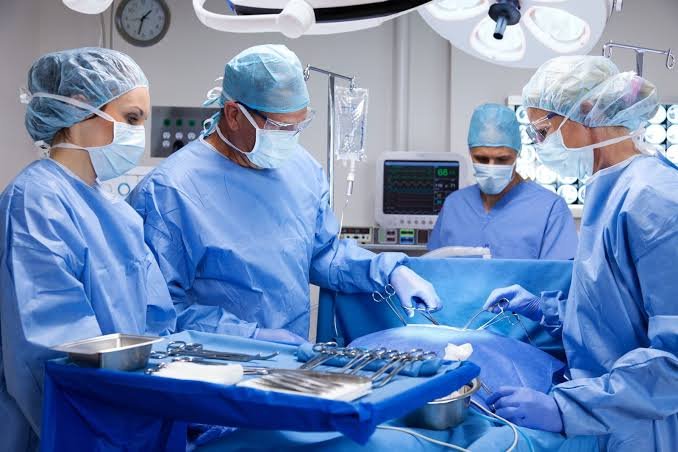
Reduction Mammaplasty, another name for breast reduction surgery, is a surgical technique that eliminates breast tissue, fat, and skin. Breast reduction surgery is an option for those who suffer from big breasts to reduce discomfort and improve their appearance. Breast reduction surgery in Dubai is a service that can help you get the outcomes you want. Your self-esteem and self-image may improve as a result. Whether you want to increase the size of your breasts or just restore their volume, the best female plastic surgeon in Dubai can make the procedure enjoyable for you.
What are the benefits of breast reduction surgery?
Do you have heavy or sagging breasts? Then you have to comprehend the difficulty. Large-breasted women deal with more than simply aesthetic concerns. They have health issues as well. Large breasts can cause rashes, numbness, tingling, neck and back problems, pain, and discomfort. Breast reduction surgery can improve a woman’s posture and relieve the strain of the bra straps on her shoulders and neck by moving the breast tissue forward and lowering the weight.
The necessity of breast reduction surgery
Before undergoing breast reduction surgery, you should be aware of the procedures involved and the necessity of the procedure. Here is comprehensive advice on why having big breasts is problematic:
- Chronic neck, back, and shoulder pain can be brought on by large breasts.
- Neck discomfort.
- Negative perception of oneself.
- Discomfort or rash brought on by heavy breasts.
- Fatigue or a decrease in exercise.
- Both nerve pain and discomfort.
- Clothing or style issues.
Getting ready for the procedure
Examine your general health and medical history. Talk to your surgeon about your desired breast size and post-operative appearance. You need to be aware of the advantages and disadvantages of the procedure, including numbness and scars. Don’t smoke or vape, and take prescription drugs as directed. Aspirin and other anti-inflammatory medications should not be taken because they can worsen bleeding. A mammogram may be necessary for improved tracking and reporting.
Procedure for Breast Reduction Surgery
This is a thorough, step-by-step explanation of how breast reduction surgery works:
- Anesthesia: Before the procedure starts, you are given drugs to help you feel comfortable. You will be offered the option of general anesthesia or sedation.
- Incision: Lollipop incision and keyhole incision are the two possibilities for incision. Based on your body type and medical report, your doctor would recommend what is best for you.
- Tissue removal and repositioning: The nipple, which is still connected to its original blood and nerve supply, is relocated following the completion of the incision. When necessary, the areola diameter is decreased by excising the surrounding skin. The surviving breast tissue is elevated and molded while the underlying breast tissue is reduced. The nipple and areola may be removed entirely and shifted to a higher position on the breast if the breast size is too enormous. In these situations, areola and nipple feeling will be lost following surgery, and healing will take longer.
- Shutting the wounds: The breasts are then reshaped by bringing the incisions together. To produce and sustain the reconstructed, now smaller breasts, sutures are deeply packed into the breast tissue. The skin is closed with surgical tapes, sutures, or skin adhesives.
What can you anticipate from your recovery following breast reduction surgery?
For a seamless and quick recovery, the post-surgery phase must be closely watched. Your breasts will be supported, and the likelihood of swelling will be decreased with an elastic bandage or support bra. To remove extra blood or fluid, a tiny, thin tube may be temporarily inserted beneath the skin. To lessen the need for opioids, a pain pump might be inserted.
Observe your doctor’s recommendations. After surgery, take excellent care of your surgical sites. To promote healing and eliminate the chance of infection, pain, or other consequences, make sure you don’t forget to apply or take the meds. Discuss with your surgeon where you will be taken following surgery, what medications or dressings/bandages you will need, when they will be taken off, and when you can return to your regular activities and daily schedule. Additionally, maintain routine examinations and visits as advised or necessary to better visualize your situation.
Suggestions for a speedy recovery
You can improve your chances of a speedy and simple recovery by following these simple guidelines:
- Assist during the first few hours: After surgery, arrange for a safe ride home and have a companion for the first 24 to 48 hours.
- Observe a healthy diet: Consume a nutritious, well-balanced diet. To stay hydrated, sip on lots of water or juices. Painkillers can cause discomfort, and not drinking enough water can lead to dehydration.
- Avoid physically taxing activities: The recovery period is critical. Avoid engaging in physically taxing activities. Because heavy lifting or vigorous activity may cause issues, only restart it once you are completely pain-free.
- Control constipation: Painkillers and anesthesia can cause constipation. It is most likely to occur. Adhere to the prescribed dosages for these medications. Avoiding overuse is one piece of advice for recovering from breast augmentation because prevention is always better than treatment.
- Watch for allergies: If you experience a rash, itching, or allergic reaction, consult your doctor immediately. This is a crucial piece of guidance to remember when recovering. After surgery, cotton, gauze, adhesive skin tapes, and first-aid kits should all be thoroughly cleaned to avoid infection. Among the items that may trigger allergies or skin irritation are painkillers. You should never ignore or neglect these signs.
- Sleeping position: In addition to medication, nutrition, and hygiene, ordinary daily habits must be modified for a smooth and trouble-free recovery after breast augmentation surgery. Always try to sleep on your back or on your side, depending on your inclinations. Avoid falling asleep on your stomach. If you do, your implants might migrate. Try using a recliner or a couch with pillows if you wish to sit.
- Be optimistic: Taking care of your body is just as vital as maintaining a happy mindset. To improve mobility, keep a cheerful attitude and focus on recovery. Make sure that physical and mental healing are complementary at all times.
Safety Procedures To Be Followed After Surgery
The process is followed by the most crucial stage, the recovery. To protect the breasts while you recuperate, gauze dressings and an elastic bandage will be used. Use a sports bra for support to minimize swelling and expedite healing. After surgery, you will be taken to a nearby rehabilitation center for supervision.
After being discharged, schedule follow-up appointments with your surgeon and follow their advice regarding breast recovery. To avoid infections, don’t forget to take your medicines and antibiotics. If it is recommended to clean the areas of the incision, do so by using ointment and maintaining proper hygiene. Try to keep the tape or bandage on if instructed.
Make an immediate appointment for your breast reduction operation.
Do you still have questions regarding how to start the breast reduction process? Do not be concerned. Discover the types, benefits, and general step-by-step process from us. Examine the breast reduction surgery cost in Dubai and proceed if you consider this procedure to be a respectable cosmetic procedure. Skilled surgeons, post-therapy care, tailored counseling, and state-of-the-art treatment facilities are all assured. If you have the proper advice and support that prioritizes your safety and interests, breast augmentation surgery may give you the shape of your desires.