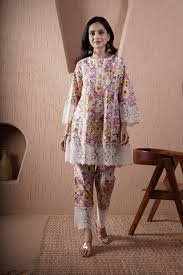
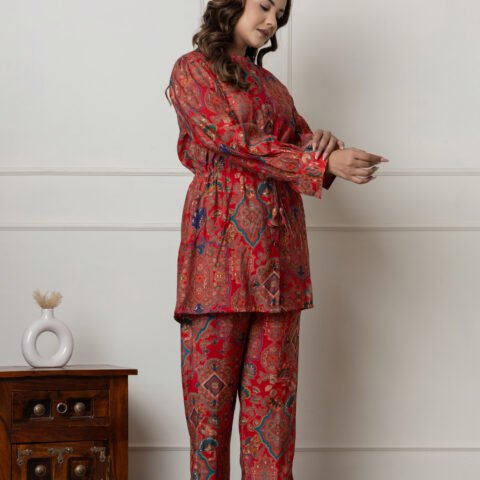
Jaipur has silently become a powerhouse for the production of ethnic clothes during the last several decades. One of the top providers of designer kurtis in the nation, the city even exports them to international markets.
Many factors have helped Jaipur to become the most well-known place for Kurti Manufacturers in Jaipur. These components are seasoned craftspeople, traditional textile techniques, a reliable supply chain, and developing fashion sensibilities agency—that is, sensitivity. These reasons are examined and clarified in this article within the framework of India’s ethnic fashion industry, therefore clarifying why the Pink City maintains such a strong position.
A Tradition Anchored In The Quality Of Fabrics
The long-standing tradition of Jaipur in the textile business is one of the main factors driving the city to become a hub for kurtis production. Among the talents that have made this city well-known for decades are block printing, hand embroidery, tie-dye production—also known as bandhej—and natural dying. Generation after generation has passed on these artistic skills, and they still blossom in the homes and workshops of the residents all across the city.
Hand-printed motifs, mirror work, gota patti, or zari borders—all of which highlight the exquisite craftsmanship unique to Jaipur—are often included into kurtis made in the city. Unlike mass-produced mass-produced industrial zone clothes, Jaipur kurtis have a bit of individuality and heritage, which makes them somewhat sought-after among buyers seeking for true ethnic wear.
Professionals With Knowledge And Communities Of Craftspeople
The presence of a workforce with both knowledge and expertise adds even another factor helping Jaipur’s kurti manufacturing sector flourish. These artists either operate alone or in small groups to create a dispersed network competent of sustaining both small-scale and large-scale industry.
Apart from having the required knowledge, the local workforce is attentive to the cultural nuances and aesthetics included in Indian architecture. This is why Jaipur designers are able to create kurtis that not only fit the local values, tastes, and seasonal trends but also reflect the fashion sense of the city.
Combining Modern And Classic Design
Jaipur has embraced modernism in terms of design sensibility and industrial technology even if its ethnic character is still very much alive. Modern designers located in Jaipur have included modern cutting, pastel color palettes, and fusion forms into traditional kurti patterns they have produced in order to appeal to younger consumers.
In order to create collections that appeal to a broad spectrum of market segments, Jaipur’s manufacturers and brands are always testing fabric combinations, fit patterns, and embellishments. These selections include everything from formal business kurtis to festive wear and casual daily attire. Jaipur’s ability to remain relevant in the continually changing fashion industry is a result of its mix of tradition and forward-looking architecture.
Regarding The Location And The Infrastructure, Both Strategic
The city gains as well from the growth of its infrastructure, which comprises specialist textile parks, dyeing facilities, and clusters of garment manufacture. These amenities help companies to grow their activities more easily. By means of programs like the Rajasthan Textile Policy, the state government of Rajasthan has given financial incentives and support for infrastructural development, therefore fostering the industry.
Broad Market For Wholesale And Export Goods
Furthermore, companies based in Jaipur are likewise paying more and more attention on the global scene. Responding to the growing demand for Indian ethnic wear among the Indian diaspora in countries including the United States of America, the United Kingdom, the United Arab Emirates, and Canada alike, several Jaipur brands have started selling custom export-grade kurtis that fit international standards of quality, size, and packaging.
The Growth Of Internet Stores And Internet Buying
The abundance of e-commerce has improved Jaipur’s kurti manufacturing ecology even further. Many traditional companies have been using digital channels to increase their clientele. Small businesses and boutiques are using social media channels such Instagram, Amazon, Flipkart, and Myntra to help and market their goods straight to consumers all throughout India and the globe.
Many companies in Jaipur have become well-known as they provide handcrafted kurtis at reasonable prices with unique patterns not mass-produced and not mass-produced. Not only has this trend toward online purchasing made fashion more accessible to more people, but it also makes it feasible for smaller-scale companies to compete with bigger brands.
Design Qualifications: A Talent Pool
Among the many design institutes housed in Jaipur are Arch College of Design & Business, Pearl Academy, and the Indian Institute of Crafts and Design (IICD). These companies support the growth of young talent with the aim of bringing fresh ideas for the management of fashion companies, textile innovation, and kurtis design.
Because of their skill pool trained in design, manufacturing companies located in Jaipur can concentrate on seasonal collections, branding strategies, and market research. This keeps these units creative and competitive.
Demand For Festive Events And Cultural Influence
The cultural atmosphere of Jaipur plays a subtle but nonetheless vital influence in the development of the kurti company for the city. The city has many celebrations all year long, including Teej, Gangaur, Diwali, and Holi, so traditional attire is often sought after all year long. This constant cycle of holiday demand drives manufacturers to stay current with customer trends and to regularly produce new collections.
Cultural events, wedding seasons, and visitor surges all help to sustain a constantly active market for ethnic wear. This helps kurti designers to keep running with a continuous demand all year round.
Handmade Fashion And Environmental Preservation
The kurti makers of Jaipur have found a new competitive edge as more people get aware of the necessity of ethical and ecologically friendly apparel. Environmentally conscious buyers are probably drawn to the fact that many small and medium-sized businesses rely on hand processes, use natural colors, and advocate fair trade regulations.
The idea of “slow fashion” and the old methods of textile manufacturing used in Jaipur have a great resonance. Fashion-wise, the city provides a model for ethical manufacturing because of its use of handcrafted techniques, waste minimization, and employment of local people.
Conclusion
Jaipur is renowned as the heart of Kurti Manufacturers in Jaipur of excellent quality; this is not a coincidence; rather, it is the result of a perfect confluence of history, skilled craftsmanship, local resources, market connections, and creative business strategies. By creating patterns that are both traditional and modern, the kurti makers of Jaipur have created a particular niche for themselves whether via the use of time-honored block printing or new designs.
Jaipur maintains its leadership in the fashion business, which is becoming global and marked by fast trend cycles, with its traditional yet forward-looking attitude to the manufacturing of ethnic clothes. Whether you are a buyer, a reseller, or a fashionista, Jaipur is still a destination worth visiting if you are seeking for premium, handcrafted, and culturally rich kurtis created in India that really reflect Indian handiwork.